
The molldoto2 version has gained attention among users who follow modern software updates and structured release cycles. This guide explains what the molldoto2 version represents, how it works, and why it matters for users who care about stability, performance, and long‑term usability.
Software versions are more than labels. They show progress. These updates reflect problem-solving efforts. In addition, they indicate how a product responds to user needs. This article focuses on a single release and explains it clearly and practically.
Understanding Software Versioning
Software versioning helps users track changes. Each version tells a story. It shows growth, fixes, and improvements. Developers rely on version numbers to manage updates. Users rely on them to decide when to upgrade.
A version usually signals one of three things. A release can add new features. It can also fix bugs. In many cases, it improves performance or security. Sometimes, it does all three at once. Clear versioning builds trust. It also reduces confusion.
Modern versioning often follows a structured pattern. Major releases bring large changes. Minor releases focus on refinements. Patch updates fix small issues. This structure helps users understand the impact before installing updates.
What Makes This Release Important
This release stands out for its focus on balance. It improves performance without breaking compatibility. It also refines existing features instead of adding unnecessary ones.
Many users value stability more than novelty. This release respects that preference. It strengthens the core system. It also reduces friction during daily use.
Another key factor is predictability. Users can install this update without fear of major workflow disruption. That confidence matters in professional and personal environments.
Overview of molldoto2 version
The molldoto2 version represents a refined stage in the product’s lifecycle. It builds on earlier foundations and focuses on polish. The development team prioritized reliability, speed, and clarity.
This release does not aim to reinvent the platform. Instead, it improves what already works. That approach often leads to better user satisfaction.
The update process also feels smoother. Installation requires fewer steps. System checks run faster. These small improvements add up over time.
Core Features and Enhancements
This release improves several core areas. Performance optimization sits at the center. The system responds faster during common tasks. Load times feel shorter. Resource usage stays more efficient.
User interface elements also feel cleaner. Navigation feels more intuitive. Buttons respond with better timing. Visual clutter has been reduced.
Stability improvements matter as well. The system handles long sessions better. Crashes occur less often. Error handling feels more graceful.
Security updates also play a role. The release includes stronger safeguards. These changes protect user data and system integrity.
Performance and Efficiency Gains
Performance matters to every user. Slow systems waste time. This release addresses that issue directly.
Background processes now run more efficiently. They consume fewer resources. This change improves overall responsiveness.
Memory handling has also improved. The system releases unused memory faster. That helps during multitasking. Users notice smoother transitions between tasks.
Battery and power usage have also been optimized where applicable. Devices run cooler. They also last longer during extended use.
Compatibility and System Support
Compatibility remains a priority. This release supports existing setups. Users do not need major hardware upgrades.
Older configurations still work well. That choice helps users save money. It also reduces upgrade anxiety.
Integration with common tools remains seamless. Existing workflows continue without interruption. That consistency builds confidence.
The release also aligns well with current operating systems. Updates install cleanly. Conflicts appear less often.
User Experience Improvements
User experience goes beyond appearance. It includes flow, clarity, and feedback. This release improves all three.
Menus feel more organized. Labels use clearer language. Actions produce quicker responses.
Notifications feel more relevant. They appear at better times. They also provide clearer guidance.
Accessibility also improves. Text contrast feels stronger. Navigation feels easier for diverse users.
How to Install the molldoto2 Version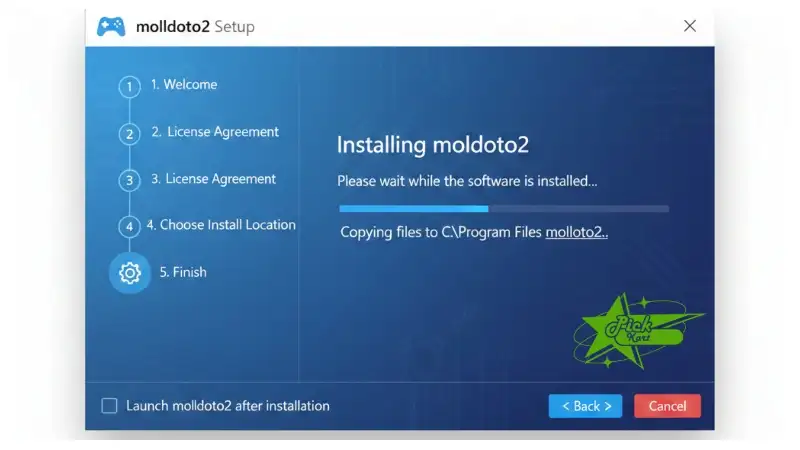
-
Download the installer from the official and trusted source
-
Check that your system meets the minimum requirements
-
Locate the downloaded file on your device
-
Double-click the file to start the installation process
-
Follow the on-screen instructions carefully
-
Accept the terms and conditions when prompted
-
Choose the default installation location if unsure
-
Wait for the installation to complete without interruption
-
Restart your system if the installer requests it
-
Launch the software from the desktop or application menu
Reliability and Stability Focus
Reliability defines long‑term value. A stable system earns trust. This release targets that goal.
Error rates have dropped. System recovery feels faster. Logs provide clearer information when issues occur.
Developers also improved internal testing. That effort reduced hidden bugs. Users benefit from fewer surprises.
Long sessions now feel safer. The system maintains performance over time. That matters for work and creative tasks.
Real‑World Use Cases
This release fits many scenarios. Professionals benefit from stability. Students benefit from ease of use. Casual users enjoy smoother performance.
Work environments value predictability. This release supports that need. It reduces downtime and distractions.
Creative users appreciate performance gains. Faster responses support better focus. Less lag supports better results.
Every day, users also notice improvements. Simple tasks feel quicker. The system feels more responsive overall.
Future Roadmap for molldoto2 version
The molldoto2 version also sets the stage for future updates. It creates a strong base. Future releases can build on this stability.
Developers can now focus on innovation. They no longer need to fix foundational issues. That shift benefits everyone.
Users can expect gradual improvements. Updates will likely follow the same careful approach. That consistency builds long‑term trust.
Conclusion
The molldoto2 version delivers a thoughtful and reliable update. It improves performance, stability, and usability without unnecessary risk. Users who value smooth operation and long‑term support will appreciate what this release offers.
FAQs
1. What type of users benefit most from this release?
Users who prioritize stability, smooth performance, and predictable updates benefit the most.
2. Does this release require new hardware?
No, it is designed to work well with existing systems and configurations.
3. Is this version suitable for professional environments?
Yes, its reliability and performance optimizations make it well-suited for work settings.
4. How does this release compare to earlier updates?
It focuses more on refinement and stability rather than introducing disruptive changes.
5. Will future updates build on this version?
Yes, it provides a solid foundation for gradual and consistent future improvements.