
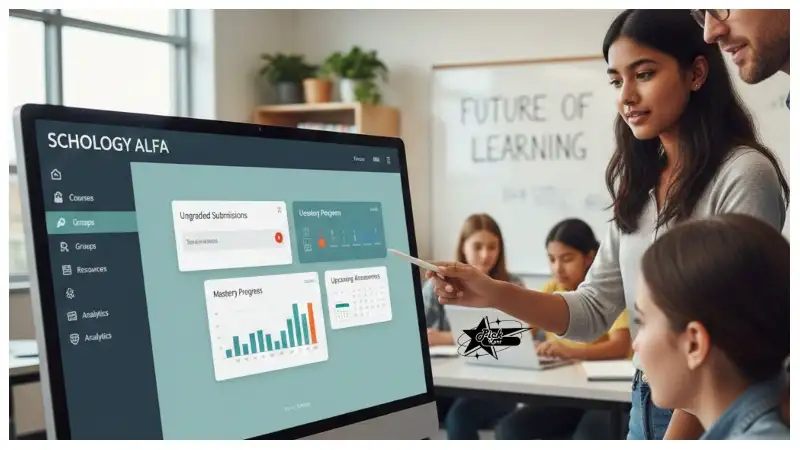
Almost every part of education has been altered by digital transformation, including teaching and administration. Current teaching and learning environments are largely based on Learning Management Systems. Schoology is one of the largest companies in the sector, providing an LMS that integrates educators, learners, and families into one digital platform.
This article explores “Schoology Alfa” as a foundational phase of understanding and implementing Schoology effectively. The term Alfa here refers to the starting point—the essential knowledge institutions and educators need when first adopting or optimising the platform. Whether you are a teacher exploring blended learning, a school leader planning digital transformation, or an instructional technologist supporting faculty, this guide provides a professional, in-depth overview of Schoology’s capabilities and strategic value.
What Is Schoology?
Schoology is a cloud-hosted Learning Management System that supports teaching, evaluation, collaboration, and communication in K-12 and higher education. It merges conventional LMS capabilities with social learning components to foster an online environment that is social, structured, and interactive.
Schoology provides the following fundamental features for educators to use:
- Manage and provide instructional materials
- Generate and evaluate student assignments
- Lead discussions and foster collaboration
- Monitor and analyze student performance
- Engage with students and their guardians
Unlike most first-generation LMS technologies that merely streamline information delivery, Schoology focuses on user engagement, inclusivity, and instructional design.
The Purpose of “Schoology Alfa”
The “Alfa” stage represents the initial adoption and foundational mastery of Schoology. During this phase, schools focus on:
- Understanding core features
- Training educators and students
- Establishing digital workflows
- Aligning the platform with curriculum goals
A strong Alfa phase ensures that the platform becomes an integrated instructional tool rather than just a digital file repository.
Core Features of Schoology
Course Management
Schoology allows educators to create structured digital courses that mirror or enhance classroom instruction. Teachers can organize materials into folders, units, or modules, making navigation intuitive for students.
Content types include:
- Documents and PDFs
- Videos and multimedia
- Links to external resources
- Interactive tools and apps
This structure supports both in-person and remote learning environments.
Assignments and Assessments
Assessment tools in Schoology allow educators to measure student understanding in multiple ways. Teachers can design:
- Assignments with file submissions
- Online quizzes and tests
- Discussions for reflective learning
- Projects with rubrics
Automatic grading for objective questions saves time, while rubric-based grading supports consistent evaluation of complex tasks.
Gradebook Integration
One of Schoology’s most valued features is its integrated gradebook. Educators can:
- Record and calculate grades
- Provide feedback directly within assignments
- Track student progress over time
Grades update in real time, allowing students and families to stay informed about academic performance.
Communication and Collaboration
Schoology includes built-in communication tools that support a connected learning community. These include:
- Announcements
- Direct messaging
- Discussion boards
- Group collaboration spaces
These features foster interaction beyond the classroom and encourage peer learning.
Here you can read: FTAsiaStock Business News: A Growing Source for Asian Market Intelligence
Benefits of Schoology for Educators
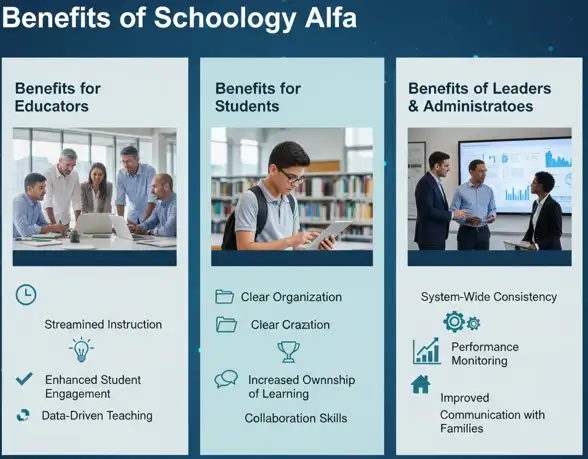
Streamlined Instruction
Schoology centralizes lesson materials, assignments, and communication. Teachers no longer need to rely on multiple disconnected tools, reducing administrative workload and improving instructional efficiency.
Enhanced Student Engagement
Interactive discussions, multimedia integration, and collaborative tools create a dynamic learning experience. Students are more likely to participate when learning materials are accessible and engaging.
Data-Driven Teaching
Performance analytics in Schoology allow educators to quickly identify learning gaps. Teachers can use this data to adjust instruction, offer targeted support, and personalize learning pathways.
Benefits for Students
Clear Organization
Students benefit from having all learning materials in one place. Deadlines, instructions, and resources are easy to locate, reducing confusion and missed assignments.
Increased Ownership of Learning
Schoology encourages students to take responsibility for their progress. Access to grades, feedback, and course materials empowers learners to monitor their own performance.
Collaboration Skills
Through discussions and group work, students develop digital communication and collaboration skills essential to future academic and professional success.
Benefits for School Leaders and Administrators
System-Wide Consistency
Administrators can standardize course structures and instructional practices across departments or grade levels to ensure a consistent learning experience.
Performance Monitoring
Schoology’s reporting tools help leaders monitor engagement and achievement trends. This data supports informed decision-making at the institutional level.
Improved Communication with Families
Parent access features allow families to track student progress, strengthening the school-home connection.
Implementing Schoology Successfully in the Alfa Phase
Professional Development
Effective implementation begins with teacher training. Educators need both technical skills and instructional strategies to use Schoology effectively. Professional development should include:
- Platform navigation
- Course design best practices
- Digital assessment strategies
- Student engagement techniques
Start Simple
During the Alfa stage, it is important not to overwhelm teachers or students. Schools should begin with core functions such as:
- Posting materials
- Collecting assignments
- Using the gradebook
Advanced features can be introduced gradually.
Establish Digital Norms
Clear expectations help ensure consistent usage. Schools should define guidelines for:
- Course organization
- Communication etiquette
- Assignment submission procedures
- Feedback timelines
Consistency improves user confidence and adoption rates.
Instructional Strategies Using Schoology
Blended Learning
Schoology supports blended learning by combining in-person instruction with digital activities. Teachers can assign pre-class readings, host online discussions, or provide supplemental practice materials.
Flipped Classroom
In a flipped model, students review lecture materials at home and engage in problem-solving during class time. Schoology makes it easy to share videos, readings, and quizzes that prepare students for deeper in-class learning.
Personalized Learning
Using performance data, teachers can assign differentiated resources to students based on individual needs. This approach helps ensure that all learners receive appropriate support and challenge.
Integration with Other Educational Tools
Schoology integrates with a wide range of third-party applications and educational technologies. These integrations enhance functionality by connecting tools for:
- Video conferencing
- Plagiarism detection
- Interactive simulations
- Digital textbooks
Single sign-on capabilities simplify access for students and staff.
Data, Analytics, and Reporting
Schoology provides actionable insights through built-in analytics. Educators and administrators can track:
- Assignment completion rates
- Student participation
- Assessment performance trends
This information supports early intervention and continuous improvement in instruction.
Security and Privacy Considerations
As a cloud-based platform, Schoology prioritizes data security and privacy. Schools must still ensure compliance with local data protection regulations and establish internal policies for responsible digital use.
Key considerations include:
- Secure login practices
- Appropriate data sharing
- Digital citizenship education for students
A strong digital safety culture is essential for successful LMS adoption.
Common Challenges in the Alfa Stage
Resistance to Change
Some educators may be hesitant to adopt new technology. Ongoing support, peer mentoring, and leadership encouragement are critical to overcoming this barrier.
Inconsistent Usage
Without clear expectations, some teachers may underutilize the platform. Regular check-ins and shared best practices can help build consistency.
Technical Difficulties
Initial setup and integration issues may arise. Having a dedicated technical support team ensures that problems are resolved quickly.
Best Practices for Long-Term Success
- Focus on pedagogy first, technology second
- Encourage collaboration among teachers
- Use data to inform instructional decisions
- Gather feedback from students and parents
- Continuously update training and resources
When Schoology becomes part of everyday teaching rather than an added task, its full value emerges.
The Future of Digital Learning with Schoology
As education continues to evolve, platforms like Schoology will play an increasingly central role. Trends shaping the future include:
- Greater use of artificial intelligence in learning analytics
- Increased personalization of instruction
- Expanded mobile learning capabilities
- Deeper integration with digital curriculum resources
Schools that establish a strong foundation during the Alfa phase are better positioned to adapt to these future developments.
Conclusion
Schoology is much more than an online classroom; it is an integrated teaching, learning, and communication system. The Schoology Alpha stage is critical because it shapes subsequent phases. With intentional focus on foundational understanding, strategic implementation, and continued professional development, schools can elevate Schoology beyond an LMS to an optimally utilized tool for driving student success.
With the right approach, training, and dedication, Schoology can become a platform where technology enhances, rather than supersedes, effective pedagogy. The outcome is a connected, high-quality, data-driven, and adaptive learning space that meets the requirements of 21st-century learning.
Frequently Asked Questions (FAQs)
What does “Schoology Alfa” mean?
“Schoology Alfa” refers to the foundational stage of adopting and understanding the Schoology Learning Management System. It is the initial phase in which educators and institutions learn core features, set up digital classrooms, and establish best practices for teaching, communication, and assessment on the platform.
How is Schoology different from other learning management systems?
Schoology stands out for combining structured course management with social learning tools. In addition to assignments, quizzes, and gradebooks, it offers discussion boards, messaging, and collaborative features that create a more interactive and engaging learning environment compared to many traditional LMS platforms.
Who benefits most from using Schoology?
Schoology benefits teachers, students, administrators, and parents alike.
-
Teachers gain tools for organizing instruction and tracking performance.
-
Students receive a clear, centralized space for learning and feedback.
-
Administrators can monitor academic data and ensure consistency.
-
Parents can stay informed about student progress and school communication.
Is Schoology suitable for both in-person and online learning?
Yes. Schoology is designed to support blended, hybrid, and fully online learning environments. Teachers can share materials, collect assignments, run discussions, and assess students, whether learning takes place in a classroom, at home, or a combination of both.
What are the first steps schools should take when implementing Schoology?
Schools should begin with a structured implementation plan that includes teacher training, clear usage guidelines, and a focus on essential features such as posting materials, managing assignments, and using the gradebook. Starting simple during the Alfa phase helps ensure long-term success and stronger adoption across the institution.