
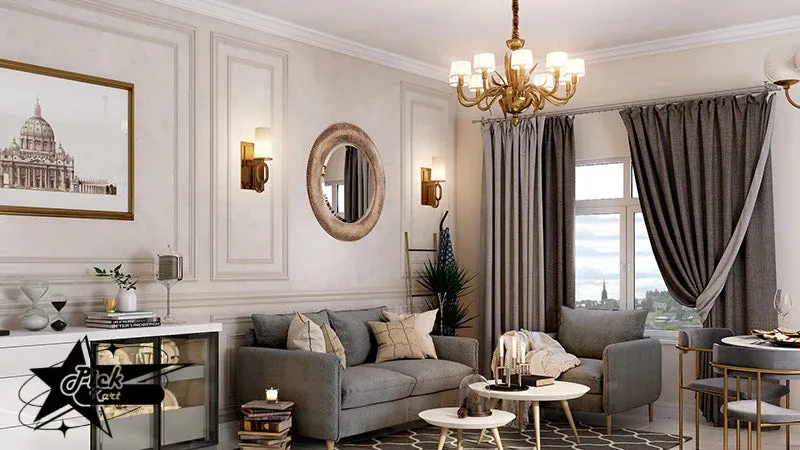
A chandelier often serves as the visual centerpiece of a room. Elegant lighting can elevate interior décor, create warmth, and highlight architectural features. Modern homeowners often look for fixtures that combine beauty with efficiency, especially in living rooms, dining areas, and entryways.
Among popular lighting options today, LED chandeliers offer a blend of contemporary design and reliable illumination. These fixtures provide energy efficiency, refined style, and long-lasting performance. The guide below explores the most important factors to consider before selecting a chandelier for any room in the home.
Room Size and Ceiling Height Guide Chandelier Selection
Room dimensions play a major role in chandelier choice. A fixture that appears perfect in a spacious dining room may overwhelm a compact bedroom or hallway. Balanced proportions create harmony between lighting and surrounding décor. Ceiling height also affects chandelier design. Rooms with high ceilings allow dramatic fixtures that feature multiple tiers or extended suspension lengths. Lower ceilings often require compact chandeliers or semi-flush styles that maintain visual elegance without crowding the space.
A practical guideline helps determine the ideal chandelier diameter. Add the room’s width and length in feet, then convert the sum to inches. This result provides a general estimate for fixture size. Dining rooms require additional attention to height placement. A chandelier should hang low enough to illuminate the table while maintaining comfortable clearance above it. Proper scale ensures the fixture complements the space rather than dominating it.
Style Compatibility Enhances Interior Design
A chandelier should align with the home’s interior design theme. Lighting works best when it complements existing furniture, colors, and decorative elements.
Popular Chandelier Styles
- Classic crystal designs create timeless elegance in formal dining spaces.
- Modern geometric shapes suit contemporary interiors with clean lines.
- Linear chandeliers provide balanced illumination above long dining tables or kitchen islands.
- Minimalist metal designs match modern living spaces with subtle sophistication.
Each style contributes a different visual character. Traditional homes often feature decorative metalwork or crystal elements. Modern interiors favor sleek structures and simple shapes.
Materials That Influence Appearance
- Glass components reflect light for a bright atmosphere
- Brass or gold finishes introduce warmth and elegance
- Matte black frames create bold contrast
- Mixed materials add depth and visual interest
Material selection affects how light interacts with the room. Reflective surfaces increase brightness, while softer finishes create a calm ambiance.
Brightness and Light Quality Affect Comfort
Illumination level determines how comfortable and functional a room feels. A chandelier should provide enough light without harsh glare. Brightness is measured in lumens rather than watts. Dining rooms and living areas usually require moderate brightness, while entryways may benefit from stronger illumination for clear visibility.
Color temperature also influences atmosphere. Warm light produces a relaxed environment suitable for dining or evening gatherings. Neutral white tones provide a balanced effect that works well in multipurpose spaces. Many modern chandeliers support dimmer switches. This feature allows adjustment based on activity or time of day. Lower brightness creates a relaxed mood, while higher brightness supports reading or social gatherings. Efficient lighting systems also reduce electricity consumption while maintaining strong illumination.
Placement and Installation Influence Lighting Performance
Proper installation affects both brightness and visual balance. Correct placement allows light to distribute evenly throughout the room.
Ideal Chandelier Locations
- Dining rooms above the center of the table
- Entryways that benefit from a welcoming focal point
- Living rooms with central ceiling placement
- Staircases or double-height spaces that allow dramatic fixtures
Installation Guidelines
- Maintain balanced spacing from surrounding walls
- Ensure sufficient ceiling support for fixture weight
- Use professional electrical connections for safety
- Align the fixture with the central focal point of the room
Correct positioning enhances both design impact and practical illumination. A well-placed chandelier improves the overall flow of light in the room.
Energy Efficiency and Modern Lighting Features
Modern lighting technology provides several advantages for homeowners. Energy-efficient systems reduce electricity consumption and offer a longer lifespan than traditional bulbs. High-quality LED chandeliers provide bright illumination while maintaining energy efficiency. These fixtures often feature integrated lighting systems that operate for many years with minimal maintenance.
Additional features may include adjustable brightness, remote controls, and compatibility with smart home systems. Such options allow homeowners to customize lighting levels according to mood or activity. Energy-efficient lighting also contributes to lower utility costs over time. A thoughtful selection balances visual appeal, functionality, and efficiency.
A chandelier adds elegance and character to any interior space. The right fixture improves illumination while enhancing a room’s design. Room size, ceiling height, brightness level, style compatibility, and construction quality all influence the final decision. Thoughtful placement and modern lighting features further improve performance and visual appeal. Careful consideration of these factors helps homeowners select a chandelier that combines style, efficiency, and long-lasting value. A well-chosen fixture transforms ordinary rooms into inviting and beautifully illuminated spaces.