
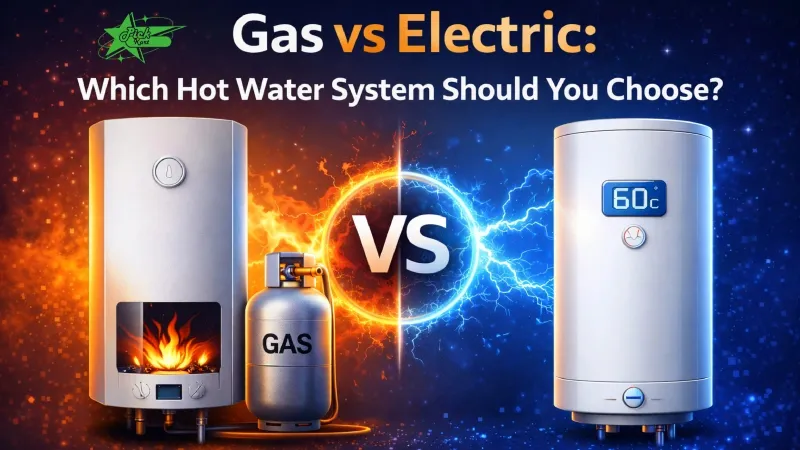
Choosing the right hot water system is an important decision for any homeowner. With busy schedules, family needs, and energy costs to consider, selecting a system that delivers efficiency, reliability, and comfort is crucial. Two of the most popular options are gas and electric systems, each with its own advantages. Understanding the differences can help you make an informed decision for your household.
A well-maintained gas water heater remains a preferred choice for many, but electric systems also offer convenience and flexibility. Here’s a detailed comparison to guide your choice.
How Gas Hot Water Systems Work
Gas hot water systems use natural gas or LPG to heat water quickly and efficiently. Most modern gas systems operate on-demand or store pre-heated water in a tank, providing continuous hot water for large households.
The main benefit of gas is speed. Unlike electric systems, which may take time to heat a full tank, a gas system can supply hot water almost instantly. This is particularly advantageous for homes with high water usage or multiple bathrooms.
How Electric Hot Water Systems Work
Electric hot water systems use electricity to heat water, either in a storage tank or in a continuous-flow (tankless) model. Storage tank systems keep water hot around the clock, while tankless electric systems heat water on demand, saving energy during periods of low use.
Electric systems are easy to install, especially in areas without existing gas connections, and are generally considered safer because there’s no risk of gas leaks.
Efficiency and Running Costs
Gas hot water systems are often more cost-effective for households with high daily hot water demand. They heat water quickly, so you don’t have to wait for a tank to refill or for large volumes to reheat. Running costs are influenced by local gas prices, but in many regions, gas is cheaper than electricity for consistent hot water use.
Electric systems, particularly tankless models, are highly efficient for smaller households or properties with moderate hot water needs. While electricity rates are higher, electric heaters have lower installation costs and require less ventilation.
Installation and Space Considerations
Gas systems require a proper gas connection and ventilation to safely expel exhaust gases. This may limit installation options or increase initial setup costs. They also need professional installation to comply with safety regulations.
Electric systems are more flexible in terms of placement. They don’t require flues or gas lines, making them easier to install in apartments or homes where retrofitting a gas system is challenging.
Environmental Impact
Gas water heaters produce greenhouse gas emissions during operation, though modern high-efficiency units minimise waste. Electric systems can be paired with renewable energy sources, such as solar panels, reducing their carbon footprint. Homeowners concerned about sustainability often consider this factor when choosing between the two options.
Reliability and Maintenance
Gas systems deliver hot water quickly and are suitable for larger families or homes with high simultaneous demand. They do require periodic servicing to ensure the burner and flue operate safely.
Electric systems are generally low-maintenance, with fewer moving parts to service. However, households relying solely on electricity may be affected by power outages, while gas systems can continue operating during blackouts.
Making the Right Choice for Your Home
Deciding between a gas or electric hot water system depends on household size, water usage, energy costs, and property setup. Families with multiple bathrooms or high hot water consumption may benefit from a gas water heater, while smaller households or those prioritising low installation complexity may prefer electric systems.
Conclusion
Both gas and electric hot water systems offer reliable ways to meet your household’s hot water needs. Understanding the differences in efficiency, running costs, installation, and environmental impact helps homeowners make an informed decision. Choosing the right system ensures comfort, convenience, and long-term savings, providing hot water when you need it most.